Featured
Table of Contents
Typical methods include: Personal loansBalance transfer credit cardsHome equity loans or lines of creditThe objective is to: Lower interest ratesSimplify regular monthly paymentsCreate a clear reward timelineIf the new rate is meaningfully lower, you lower overall interest paid. Numerous charge card use:0% introductory APR for 1221 monthsTransfer fees of 35%Example: You transfer $10,000 at 22% APR to a 0% card with a 4% transfer cost.
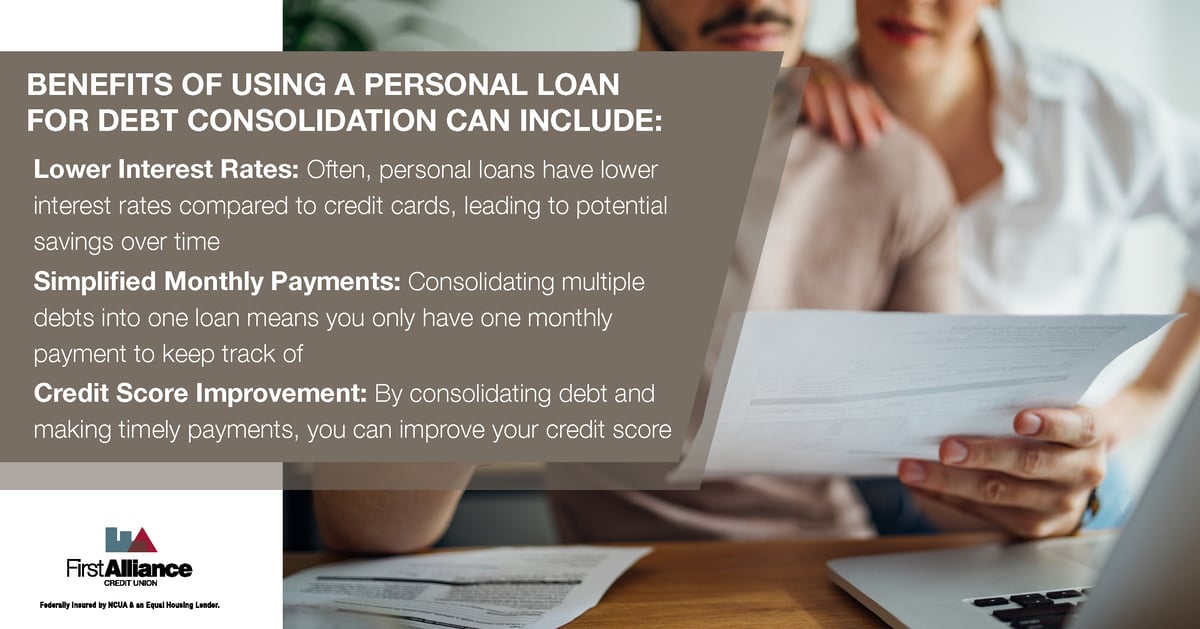
This works well if: You receive the credit limitYou stop including new chargesYou settle the balance before the promotional period endsIf not paid off in time, rates of interest can leap dramatically. Balance transfers are effective but need discipline. A fixed-rate personal loan can change several card balances. Advantages: Lower interest rate than credit cardsFixed month-to-month paymentClear payoff dateExample: Changing 22% APR charge card debt with a 912% individual loan significantly reduces interest costs.
Utilizing home equity can supply lower interest rates. Nevertheless, this shifts unsecured charge card financial obligation into protected debt tied to your home. Risks: Failure to repay could jeopardize your homeExtending payment increases long-term exposureThis alternative requires caution and strong payment confidence. Combination might be helpful if: You receive a substantially lower interest rateYou have steady incomeYou commit to not collecting new balancesYou want a structured payment timelineLowering interest speeds up benefit however just if costs behavior changes.
Before consolidating, calculate: Existing average interest rateTotal staying interest if paid off aggressivelyNew interest rate and overall cost under consolidationIf the mathematics plainly prefers combination and habits is managed it can be tactical. Debt consolidation can momentarily impact credit history due to: Difficult inquiriesNew account openingsHowever, over time, lower credit usage often improves scores.
Eliminating high-interest financial obligation increases net worth straight. Transferring balances however continuing spendingThis develops two layers of debt. Picking long payment termsLower payments feel easier however extend interest direct exposure.
How to Consolidate High Interest Debt in 2026
Closing accounts can increase credit utilization and impact rating. Rates might not be significantly lower than existing credit cards. Credit card financial obligation combination can speed up payoff however just with discipline.
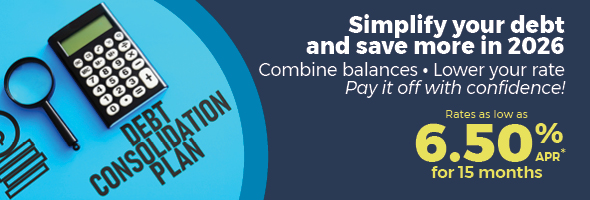
Stop accumulating new balances. Automate payments. Combination is a structural enhancement, not a behavioral remedy. Utilized properly, it reduces the path to no.
It can be daunting when your charge card debt starts to surpass what you can pay, specifically because sometimes all it takes are a couple of bad moves and quickly you're juggling several balances from month to month while interest starts to stack up. Charge card debt consolidation is one form of relief readily available to those having a hard time to pay off balances.
Assessing Counseling versus Loans in 2026
To get away the stress and get a manage on the financial obligations you owe, you require a financial obligation repayment gameplan. In a nutshell, you're looking to find and gather all the financial obligations you owe, learn more about how debt combination works, and lay out your options based upon a full evaluation of your debt scenario.
Balance transfer cards can be a good type of debt consolidation to consider if your financial obligation is concerning but not overwhelming. By looking for and getting a new balance transfer credit card, you're essentially buying yourself extra time normally someplace between 12 and 21 months, depending upon the card to stop interest from accruing on your balance.
Compared to other consolidation options, this is a relatively simple strategy to comprehend and accomplish. Numerous cards, even some rewards cards, offer 0% APR promotional periods with no interest, so you might be able to tackle your complete debt balance without paying an additional penny in interest. Moving financial obligations onto one card can likewise make budgeting easier, as you'll have less to monitor every month.
Many cards stipulate that in order to take benefit of the introductory advertising duration, your debt has actually to be moved onto the card in a certain timeframe, typically in between 30 and 45 days of being authorized. Depending on the card, you may have to pay a balance transfer fee when doing so.
Finding Low Interest Financing in 2026
Another word of care; if you're unable to repay the amount you've moved onto the card by the time to initial marketing period is up, you'll likely undergo a much greater interest rate than before. If you pick to move forward with this technique, do whatever in your power to guarantee your financial obligation is paid off by the time the 0% APR duration is over.
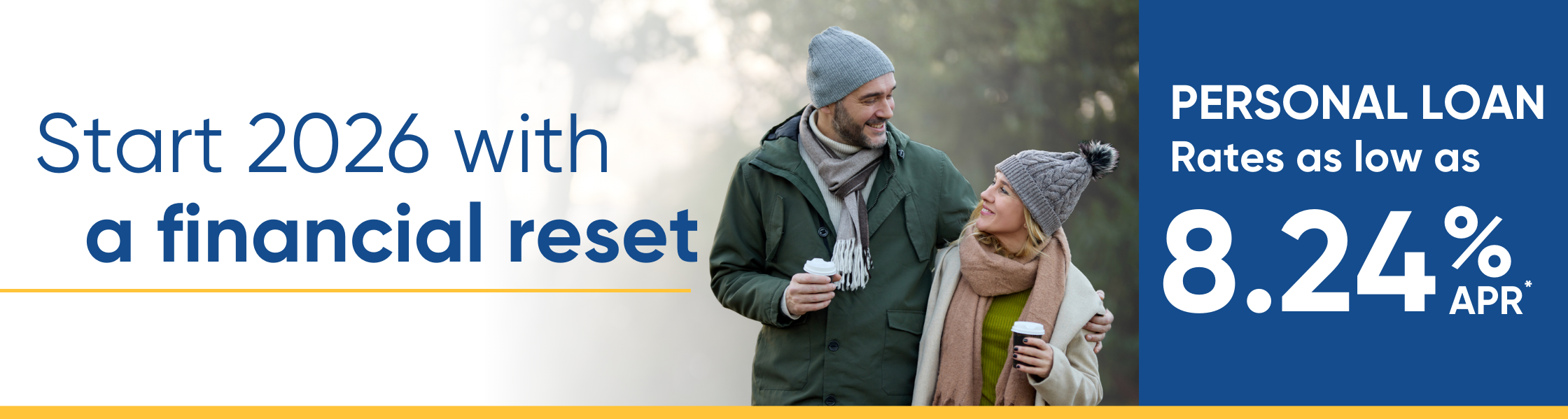
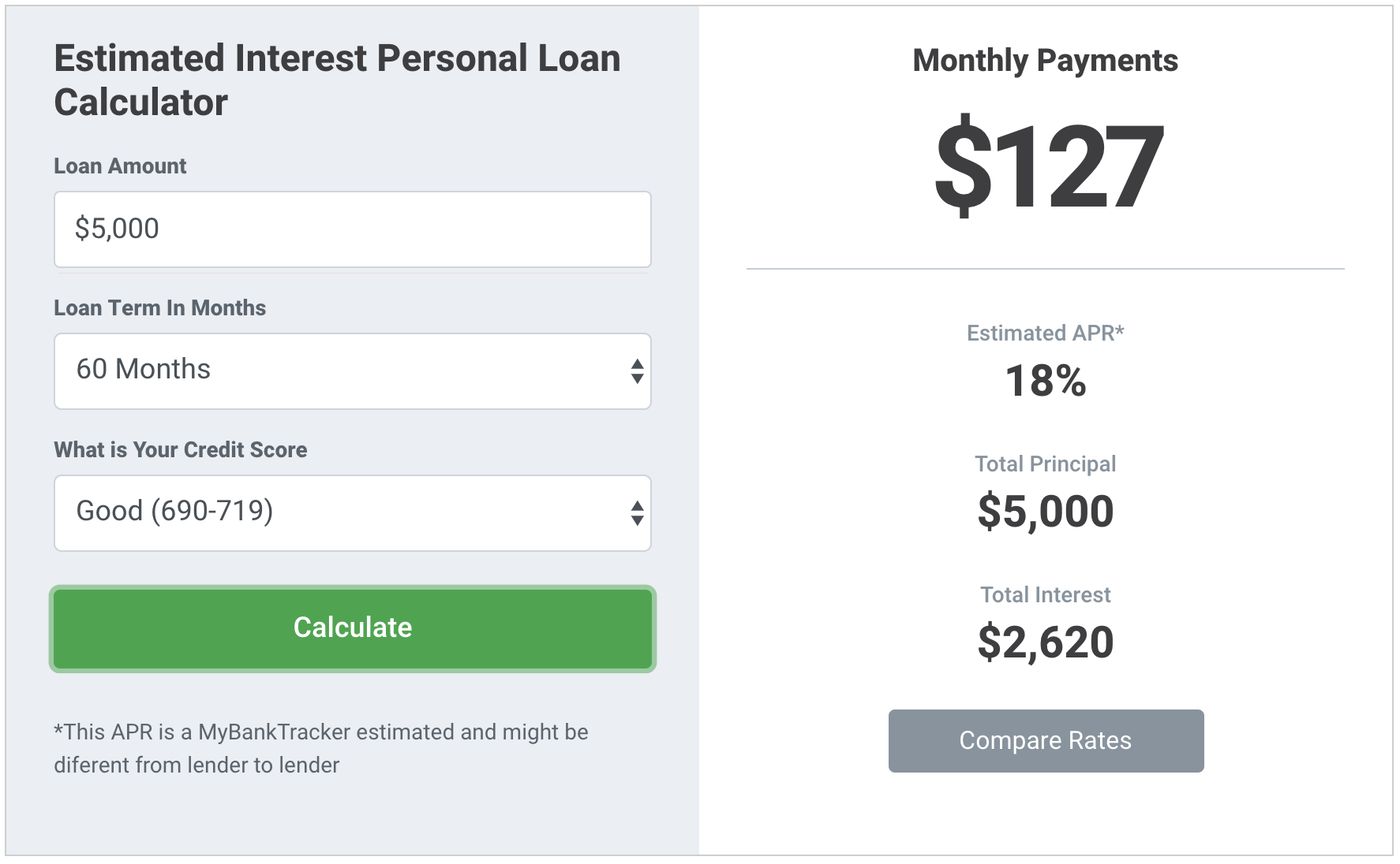
This may be a good option to think about if a balance transfer card seems ideal but you're not able to fully commit to having the debt paid back before the rates of interest starts. There are numerous personal loan alternatives with a variety of repayment durations readily available. Depending upon what you're eligible for, you may be able to set up a long-term strategy to pay off your financial obligation throughout a number of years.
Similar to balance transfer cards, personal loans may likewise have fees and high rate of interest connected to them. Often, loans with the most affordable rates of interest are limited to those with greater credit rating a feat that isn't easy when you're handling a great deal of debt. Before signing on the dotted line, make certain to examine the great print for any costs or information you might have missed.
By borrowing against your retirement accounts, typically a 401(k) or individual retirement account, you can roll your debt into one payment backed by a retirement account used as collateral. Each retirement fund has particular guidelines on early withdrawals and limitations that are important to examine before deciding. What makes this option possible for some people is the lack of a credit check.
While some of the guidelines and guidelines have softened over the years, there's still a lot to think about and digest before going this route.
Best Ways to Pay Off Debt in 2026
On the other hand, home and car loans are classified as protected financial obligation, because failure to pay it back might mean repossession of the possession. Now that that's cleared up, it is possible to consolidate unsecured debt (charge card debt) with a protected loan. An example would be rolling your credit card financial obligation into a home loan, essentially collecting all of the balances you owe under one debt umbrella.
Protected loans likewise tend to be more lenient with credit requirements given that the provided asset provides more security to the loan provider, making it less risky for them to provide you cash. Mortgage in particular tend to use the largest sums of money; likely enough to be able to combine all of your credit card debt.

Latest Posts

Expert Credit Management Program Evaluations for 2026
Analyzing Interest Rates On Consolidation Plans for 2026
Comparing Affordable Personal Loans in 2026